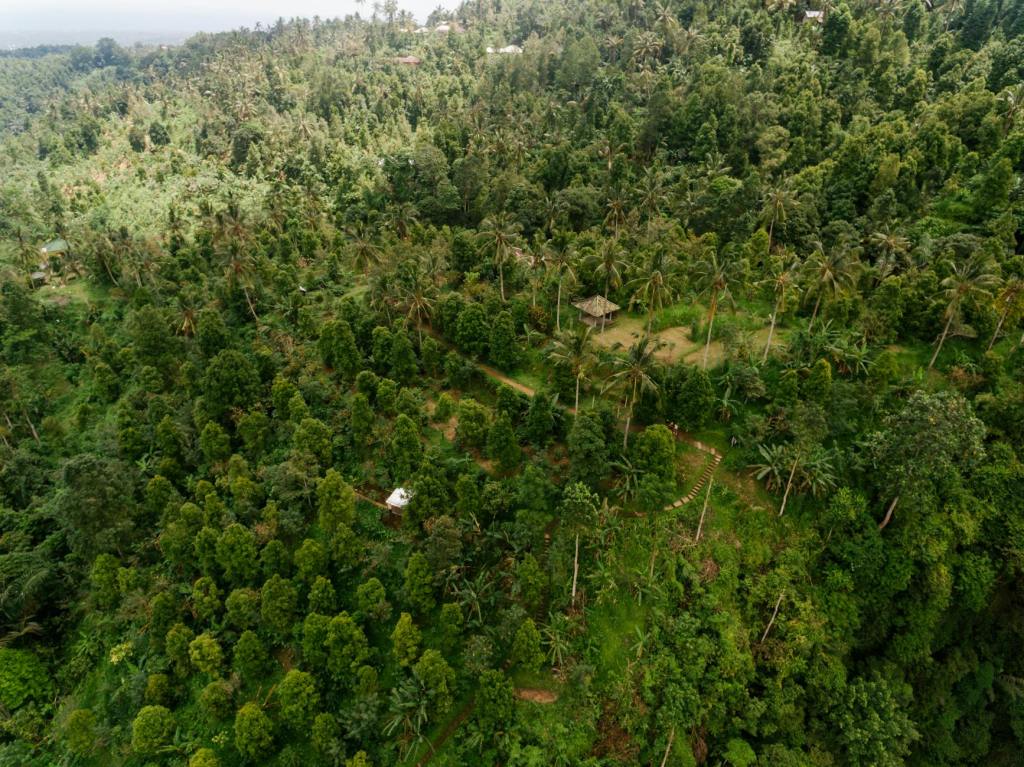
Farmers and companies in the agricultural industry can benefit from the Rainforest Alliance Certification, a sustainable agriculture initiative in the UAE. It functions similarly to a dedication to the environment and encourages the continual and sustainable development of products, winning over customers and making a reliable impact on the international market.
Themes of Rainforest Alliance Certification
The Rainforest Alliance standard strengthens the sustainability pillar by focusing on the problems of agricultural workers; yet, it has identified four primary causes, which are- Forests: The Rainforest Alliance program includes training services for preaching practices to protect the existing forests and croplands by carefully fostering soil, waterways, and the health of trees.
Climate: To reduce deforestation and greenhouse gas emissions, Rainforest Alliance Certification encourages responsible management of techniques to enhance carbon storage without endangering the forests.
Human Rights: Highlighting human rights and evaluating the working conditions in rural areas, enhances the rights of workers in these places. to create a healthy work environment, Rainforest Alliance standards include mechanisms that offer strong ways to address significant issues like gender inequality, land rights violations, child labor, or forced labor in the workplace. For the finest working circumstances, certified farms should provide labor and personal protection for their employees.
Livelihoods: This Agricultural Sustainability Certification enhances the ecosystem and economic stability of rural communities. The certification also provides financial benefits to forest workers and farmers to reduce the global poverty rate.
Three Pillars of Sustainability
To address the current and emerging problems in environmental healthcare as well as the business sectors, sustainability is essential. As they are known, people, the earth, and profits are the three primary pillars of sustainability. Those are:
Environmental Sustainability– Environmental Sustainability addresses the ability to protect the environment through effective practices and policies without compromising the availability of natural resources for future generations
Social Sustainability- The second pillar of Sustainability refers to the well-being of people or communities over the globe by promoting equality, human rights, and responsible education and health care.
Economic Sustainability- Economic sustainability takes a methodical approach to conducting economic operations in a way that maximizes future financial benefits and well-being.
Impact of Rainforest Alliance Agriculture Certification on the Pillars of Sustainability
All of the sustainability pillars are impacted by the Rainforest Alliance Certification in addition to the environment: By encouraging consumers to select and support products bearing RA labels, the Certification helps agricultural farms maintain their financial viability.
The Rainforest Alliance standard encourages sustainable agriculture, which necessitates environmental preservation and care in order to meet environmental sustainability objectives.
The Rainforest Alliance Certification Program prioritizes the human rights and means of subsistence of rural laborers to improve communities and eventually offer financial security. This places a focus on rural communities’ social sustainability.
Challenges and Future Directions
Despite its achievements, the Rainforest Alliance faces significant obstacles in pursuing the goal of sustainability. Deforestation, climate change, and biodiversity loss are all ongoing problems, as is the need to address social imbalances and promote inclusive development. Also, as the world population grows and consumer demand for agricultural and forestry products increases, the impact on natural ecosystems is projected to worsen.Looking ahead, the Rainforest Alliance is dedicated to its purpose of conservation and sustainability. This involves broadening its reach and effect through creative collaborations, technology-driven solutions, and campaigns designed to shape laws and habits that promote a more sustainable future. The alliance’s efforts to protect endangered species, empower Indigenous people, and encourage sustainable consumption are more critical than ever in the face of rising environmental threat
Conclusion
Rainforest Alliance Certification is an international non-governmental organization that seeks to improve the lives of farmers and forests by preventing environmental damage and safeguarding Mother Nature via the use of markets and organizations. By checking for the Rainforest Alliance Certified seal, consumers may recognize and choose items that contribute to ensuring a better future for both people and the environment. The certified ingredient or product has been manufactured using practices that support the social, economic, and environmental pillars of sustainability, as shown by the small green frog on the seal. This satisfies customer demands for higher-quality goods with the assurance that they are made responsibly and sustainably, promoting a healthier environment.

 ISO Certification News
Leave a comment